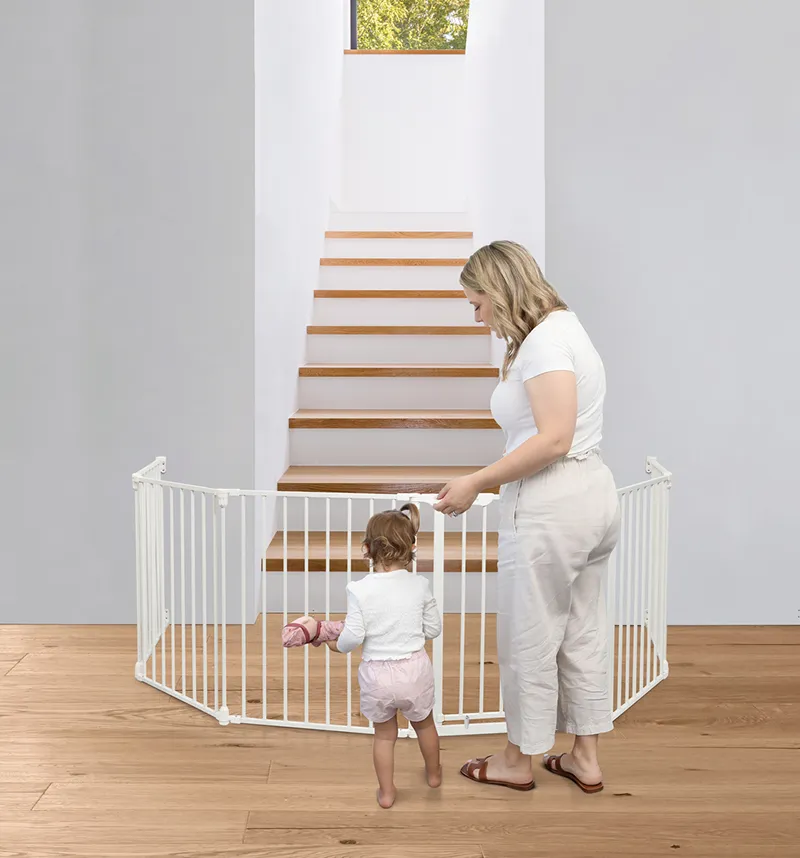
Childproofing multi storey homes can feel a little overwhelming at first. There are stairs to think about, balconies to secure and different levels where curious little people can find all sorts of mischief. The good news is that with a thoughtful plan and the right baby proofing products, you can turn every level of your home into a safer space for your child.
This guide walks you through practical, easy to follow childproofing tips for multi storey homes, so you can feel confident that you have done everything reasonable to protect your baby. Along the way you will find natural opportunities to explore safety categories like Home Safety, Safety Gates, Dreambaby Safety Gates and our Custom Baby Proofing Configurator to make the process simpler.
Understanding the unique risks in multi storey homes
Every home has hazards, but multi storey homes come with their own set of challenges. Stairs, split level living areas, landings and balconies introduce fall risks. Upper floor windows can be more dangerous if they can open wide. Open plan designs can make it harder to contain your little explorer to one safe space.
When thinking about childproofing multi storey homes, it helps to walk through each level with fresh eyes. Get down to your child’s height and notice what they can reach, pull, climb or open. This will quickly highlight spots where you may need Home Safety products, Locks and Latches or Safety Gates to create safe boundaries.
Stairs and landings as the first priority for childproofing
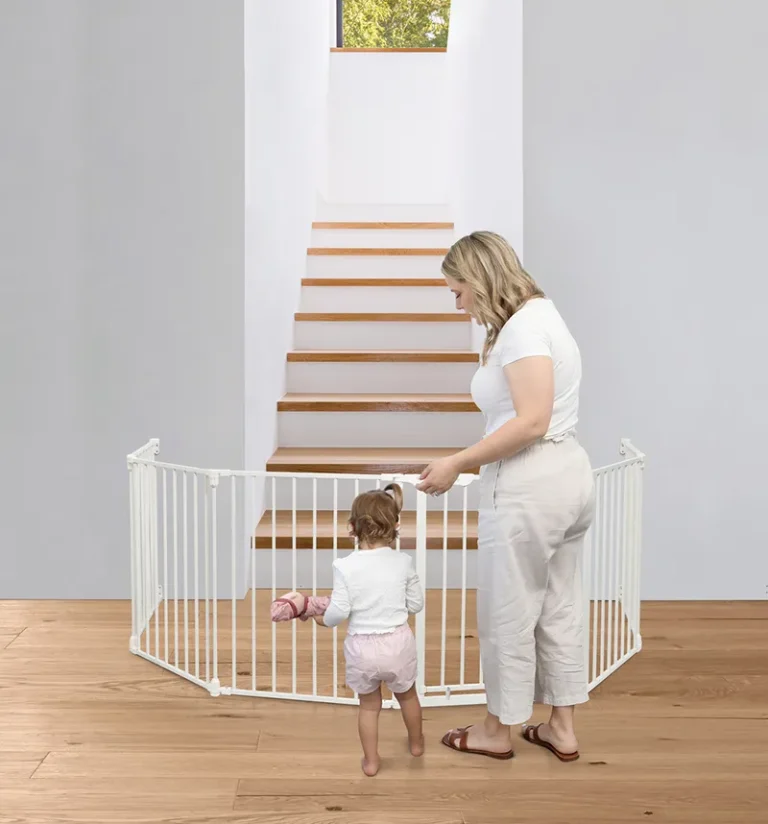
For multi storey homes, stairs and landings are usually the first area to address. A tumble on the stairs can cause serious injury, so physical barriers are essential once your baby starts rolling, crawling or pulling up to stand.
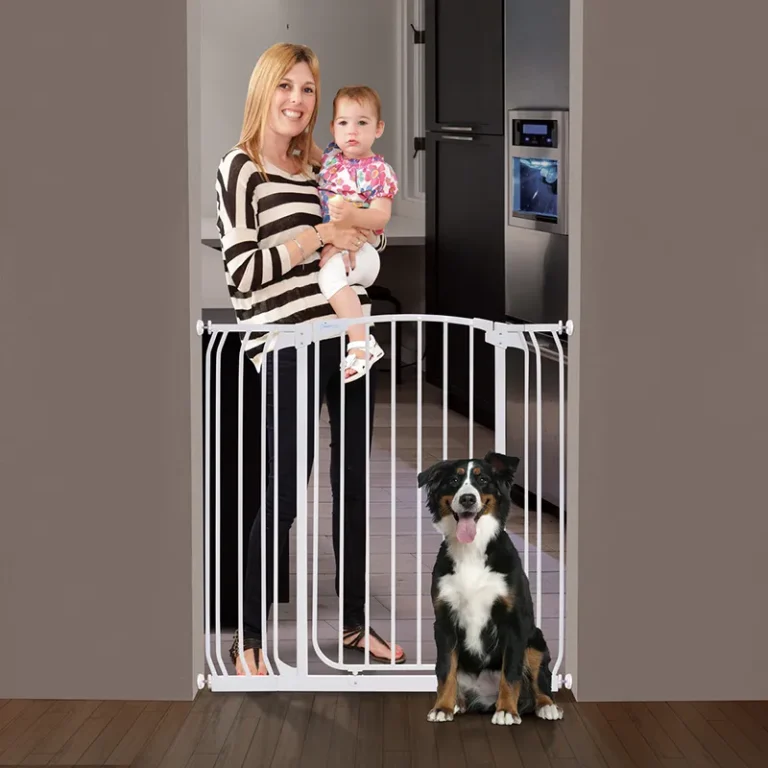
Install sturdy baby safety gates at both the top and bottom of the stairs. At the top, a hardware mounted gate is often recommended because it fixes securely to walls or banisters rather than relying on pressure against the surface. At the bottom, a quality pressure mounted gate may be suitable as long as it is installed correctly. The Safety Gates and Dreambaby Safety Gates ranges offer options designed for stairways, with gate extensions available in Dreambaby Extensions if your stair opening is wider than standard.
Make sure gates are always kept closed and that older siblings understand why this matters. Avoid gates with a bar or frame across the walkway that adults could easily trip over on the top step. Regularly check the fittings and hinges to make sure everything remains secure as part of your ongoing Home Safety routine.
Balconies and upper level outdoor spaces
Balconies and upper level decks can be lovely for relaxing, but they need careful attention when childproofing multi storey homes. The aim is to prevent climbing, squeezing through gaps and objects being dropped over the side.
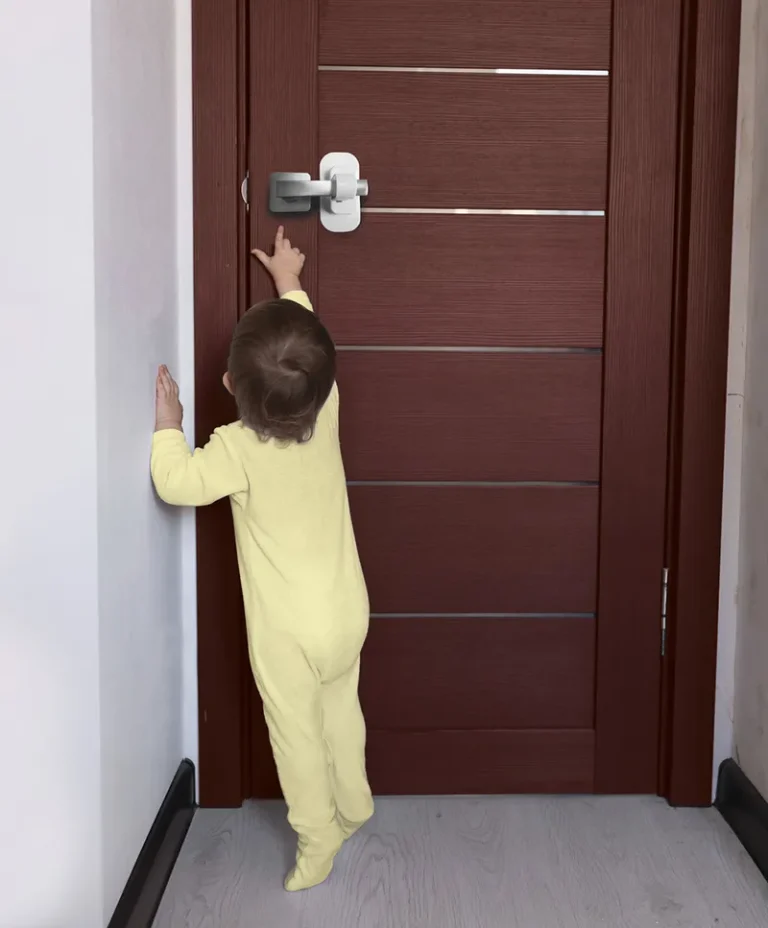
Check that the vertical spaces between balustrades are narrow enough that a child cannot fit their head through. If the gaps are too wide, consider temporary balcony mesh or clear safety panels fixed to the inside of the railing. Move furniture, pot plants and outdoor storage boxes away from the edge so they cannot be used as climbing platforms. If there is an outdoor door leading to the balcony, fit a high positioned latch or lock from the Locks and Latches category so that small hands cannot open it unnoticed.
You may also find it helpful to use the Custom Baby Proofing Configurator to walk through all balcony related risks in a structured way and generate a list of suitable safety products.
Making upstairs bedrooms and nurseries safer
Bedrooms and nurseries on upper levels should be calm, secure spaces where you feel comfortable leaving your baby to sleep or play. Start by focusing on fall and entrapment risks, then move on to small objects and choking hazards.
Secure tall furniture to the wall with anti tip straps from the Home Safety category. This includes bookshelves, tallboys, wardrobes and change tables. Make sure the cot is positioned away from windows, blinds and curtain cords, and check that the mattress fits snugly so there are no gaps where little limbs could get stuck. Keep toys, books and décor that are best suited to toddlers or older children stored higher, so they are not easily accessible during the early months.
If you have multiple bedrooms, you can use the Custom Baby Proofing Configurator to select the number of rooms, choose safety categories and build a personalised list of products for each space. This makes childproofing multi storey homes feel more manageable and less like you are starting from scratch on every level.
Windows, blinds and upstairs fall risks
Upper floor windows are an important focus when childproofing multi storey homes. A window that opens wide may seem harmless at the moment, but once your child is mobile it becomes a serious fall hazard.
Fit window locks or restrictors so that windows cannot be opened beyond a safe distance. Aim for an opening size that provides airflow but not enough room for a child to climb out or lean too far. Keep furniture away from windows to remove climbing points, especially in bedrooms where children may be unsupervised during rest time.
Blind and curtain cords should be secured with cord tidies or cleats so they are out of reach and cannot become wrapped around small necks or limbs. Products from the Home Safety and Accessories categories can help you tidy and secure loose cords as part of your overall safety plan.
Managing split level living, steps and internal transitions
Many multi storey homes also have internal steps, sunken lounges or split level living areas. These smaller changes in height can easily be overlooked, yet they still pose a fall risk for toddlers who are just learning to navigate spaces.
Consider using baby safety gates at the top of short sets of internal stairs or at the entry to sunken rooms to prevent unsupervised access. Non slip rugs, edge protectors and corner cushions from the Home Safety and Accessories categories can soften sharp edges and reduce trip hazards.
At night, motion sensor nightlights from the Lighting or Dreambaby Lighting ranges can make hallways and landings easier to navigate for adults without turning on bright overhead lights that might wake your baby.
Keeping every level flexible as your child grows
One of the biggest truths about childproofing multi storey homes is that it is never a one time job. Babies grow quickly, and the way they interact with your space will change just as fast. A baby who once only lay on a mat in the lounge will soon be crawling up to stair gates, tugging at cupboards and trying to follow you up and down stairs.
Set a reminder to review your home safety every few months. Walk each level, look at it from your child’s perspective and notice new climbing points, reachable handles or interesting objects that have drifted into low positions. Use the Custom Baby Proofing Configurator as often as you like to update your product list as your needs change.
Bringing it all together for a safer multi storey home
Childproofing multi storey homes can seem like a big job, but breaking it into levels and rooms makes it much easier. Start with stairs, landings and balconies, move on to bedrooms, bathrooms and living areas, then finish with windows, cords and smaller internal steps.
With the right mix of Home Safety products, Safety Gates, Dreambaby Safety Gates and practical habits, you can create a home that supports exploration while reducing the risk of serious injury. And when you are ready for a guided overview, our Custom Baby Proofing Configurator is there to help you proof your home room by room and turn your plan into a simple shopping list or downloadable report. You can now copy this whole block into a fresh canvas in your workspace and save it under something like “Childproofing Tips for Multi Storey Homes – Blog Post”. If you want, next we can do the same for the 4th article in the hub plan.